7 Surprisingly Smart and Sustainable Ideas (That Aren’t Boring)
The holidays are officially over. The ornaments are back in their boxes, the twinkle lights are unplugged. And now your once-glorious Christmas tree is shedding needles and quietly judging you from the corner.
So let’s answer the question everyone Googles this time of year: “What should I do with my Christmas tree after Christmas?”
Before you drag it to the curb and move on, know this: a real Christmas tree still has a lot of life left in it. With a little creativity, it can help your garden, improve your soil, and even help local wildlife—all without ending up in a landfill.
1. Turn Your Christmas Tree Into Free Garden Mulch
Your Christmas tree = untreated, organic material = garden gold. This makes it perfect for mulching. How to do it:
● Remove all decorations and the stand
● Cut the branches into smaller pieces
● Lay them beneath trees, shrubs, or along garden beds
Why it works:
● Suppresses weeds
● Helps soil retain moisture
● Breaks down slowly, improving soil structure over time
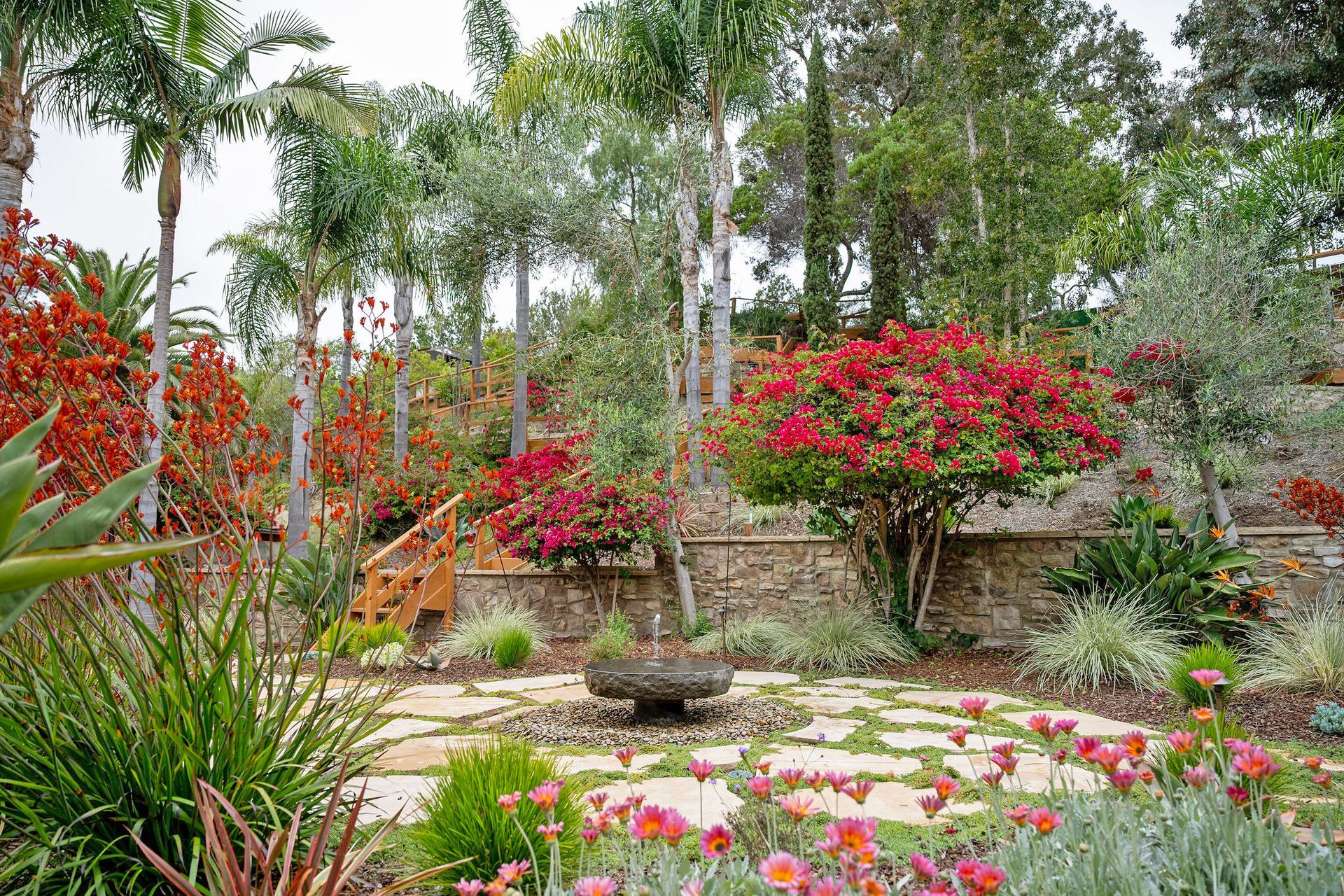
This is especially helpful in San Diego gardens, where protecting soil from drying out is half the battle. Mulch plays a major role in keeping roots cool and reducing water loss.
2. Create a Shelter for Birds and Beneficial Bugs
Instead of tossing your tree, move it outside and give it a second life as wildlife housing.
Try this:
● Stand it upright in a quiet corner of your garden
● Or lay it horizontally behind shrubs or fencing
Birds use the branches for shelter, insects overwinter in it, and your garden’s ecosystem quietly thanks you. Low effort, high rewardZ
3. Repurpose the Trunk for Garden Stakes, Edging, or Rustic Details
That trunk isn’t trash—once the branches are removed, the trunk itself is still useful as a building material. It blends beautifully into outdoor spaces and costs exactly $0.40.
After removing the branches, cut the trunk into sections and use it as:
● Stakes for young trees or climbing plants
● Natural edging for garden beds
● Rustic borders along pathways
Compost It (Even If You’re Not Big on Composting)
Christmas trees are mostly “brown” material, which compost piles need.
Simple composting tips:
● Chop branches into smaller pieces
● Mix with food scraps or green waste
● Use gradually if your compost bin is small
Even composting part of the tree makes a difference.
5. Use Pine Needles as Mulch (They’re Better Than You Think)
Pine needles often get a bad reputation, but they’re actually great for many plants.
Some benefits of pine needles:
● Don’t compact soil
● Decompose slowly
● Help regulate soil temperature
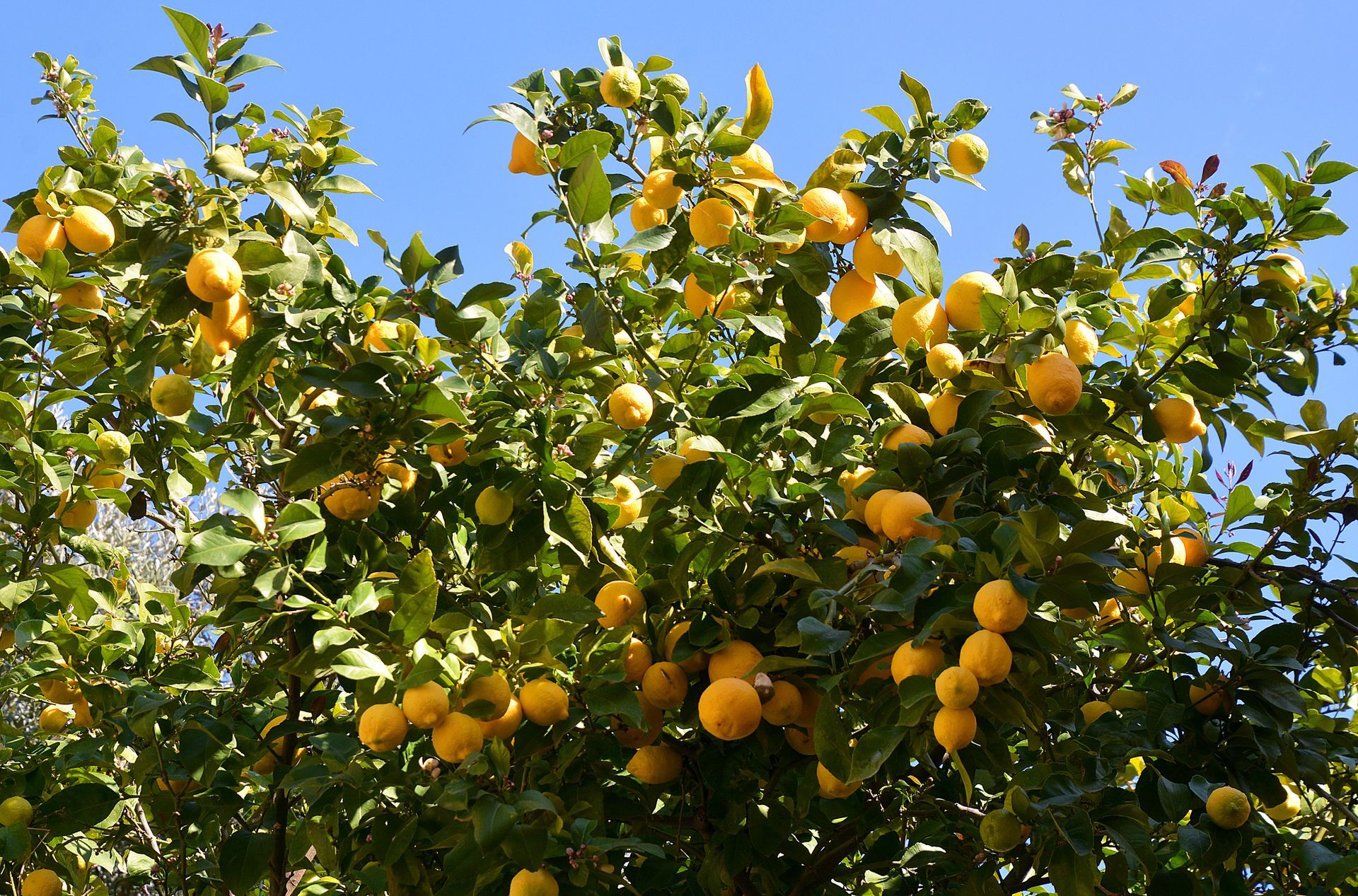
Spread them lightly around acid-tolerant plants like citrus or camellias and call it a day. In San Diego landscapes, pine needles offer gentle, long-term benefits without dramatically altering soil pH.6.
Donate Your Tree (Yes, Really)
Some farms, wildlife centers, and community programs accept Christmas trees for:
● Goat feed
● Habitat restoration
● Erosion control
A quick local search may uncover farms or organizations looking for post-holiday trees—making this a feel-good option worth exploring.
When It’s Okay to Let It Go
There are times when reuse just isn’t practical. Curbside recycling is still the best choice if your tree is:
● Flocked or chemically treated
● Moldy or pest-ridden
● Or you just don’t have the space
The goal isn’t perfection; it’s being intentional instead of automatic.
One Last Gift From the Holidays
Your Christmas tree took years to grow. Letting it help your garden, soil, or local wildlife (even for a little while longer) is a small, meaningful win.
And if you love the idea of a garden that looks great without demanding all your free time, Drab to Fab has you covered. From seasonal cleanup to long-term landscaping design in San Diego, Drab to Fab makes outdoor spaces easier to enjoy and easier to maintain. Our trained horticulturalists handle the maintenance so your outdoor space stays beautiful long after the holidays are packed away.
Because a good garden, like a good Christmas tree, deserves more than a quick goodbye.